Press
Arabic Calligraphy Artists: Masters of Timeless Beauty

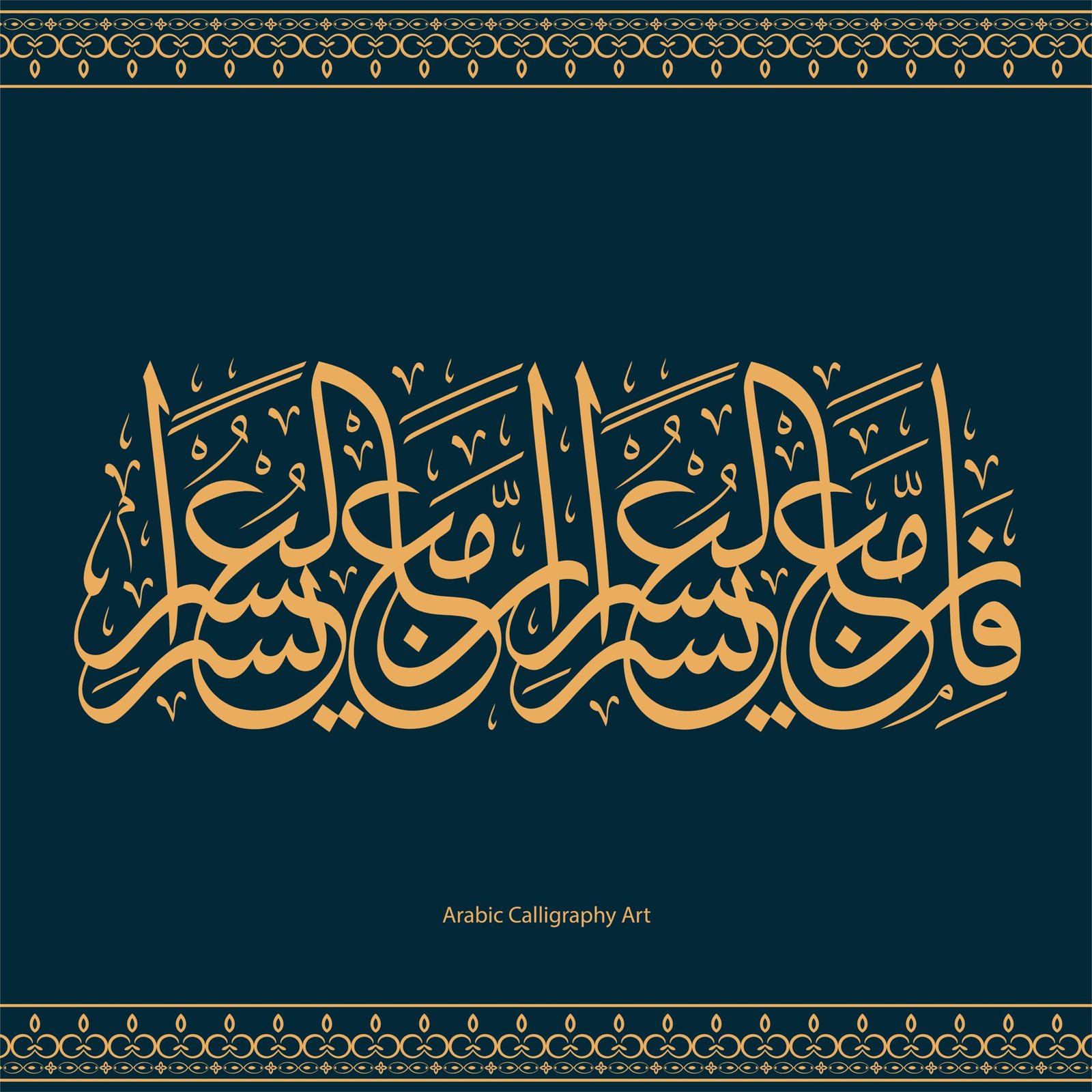
Arabic calligraphy is more than just beautiful writing — it is an art form that reflects centuries of culture, religion, and creativity. Arabic calligraphy artists have preserved this timeless tradition while continuously reimagining it for modern audiences. From the elegance of Thuluth and Naskh to the boldness of Kufic and experimental designs, these artists play a vital role in keeping the heritage alive while inspiring new generations worldwide.
Famous Arabic Calligraphy Artists Throughout History
Arabic calligraphy has been shaped by legendary masters whose innovations defined its elegance and spiritual depth. These artists developed unique styles that continue to influence calligraphers today.
Early Masters of Islamic Calligraphy
-
Ibn Muqla (885–940 CE): Known as the “father of Arabic calligraphy,” he established the principles of proportion and harmony in scripts such as Naskh and Thuluth.
-
Ibn al-Bawwab (d. 1022 CE): Refined Ibn Muqla’s rules and produced manuscripts of exceptional beauty and balance.
Ottoman and Persian Influences
-
Sheikh Hamdullah (1436–1520): The most celebrated Ottoman calligrapher, who perfected the elegant Diwani and Thuluth scripts.
-
Mir Emad Hassani (1554–1615): A Persian master of Nasta‘liq, his flowing style is still admired as the pinnacle of Persian calligraphy.
Andalusian & Maghrebi Contributions
-
Ibn al-Bannāʾ al-Marrākushī: Brought geometric precision to Maghrebi scripts, widely used across North Africa and Andalusia.
-
Ibn al-Qutiyya: Contributed to the spread of Kufic calligraphy in early Andalusian manuscripts and architecture.
These historical figures laid the foundation for Arabic calligraphy as both a sacred and artistic tradition, ensuring its legacy endures in modern times.
Contemporary Arabic Calligraphy Artists
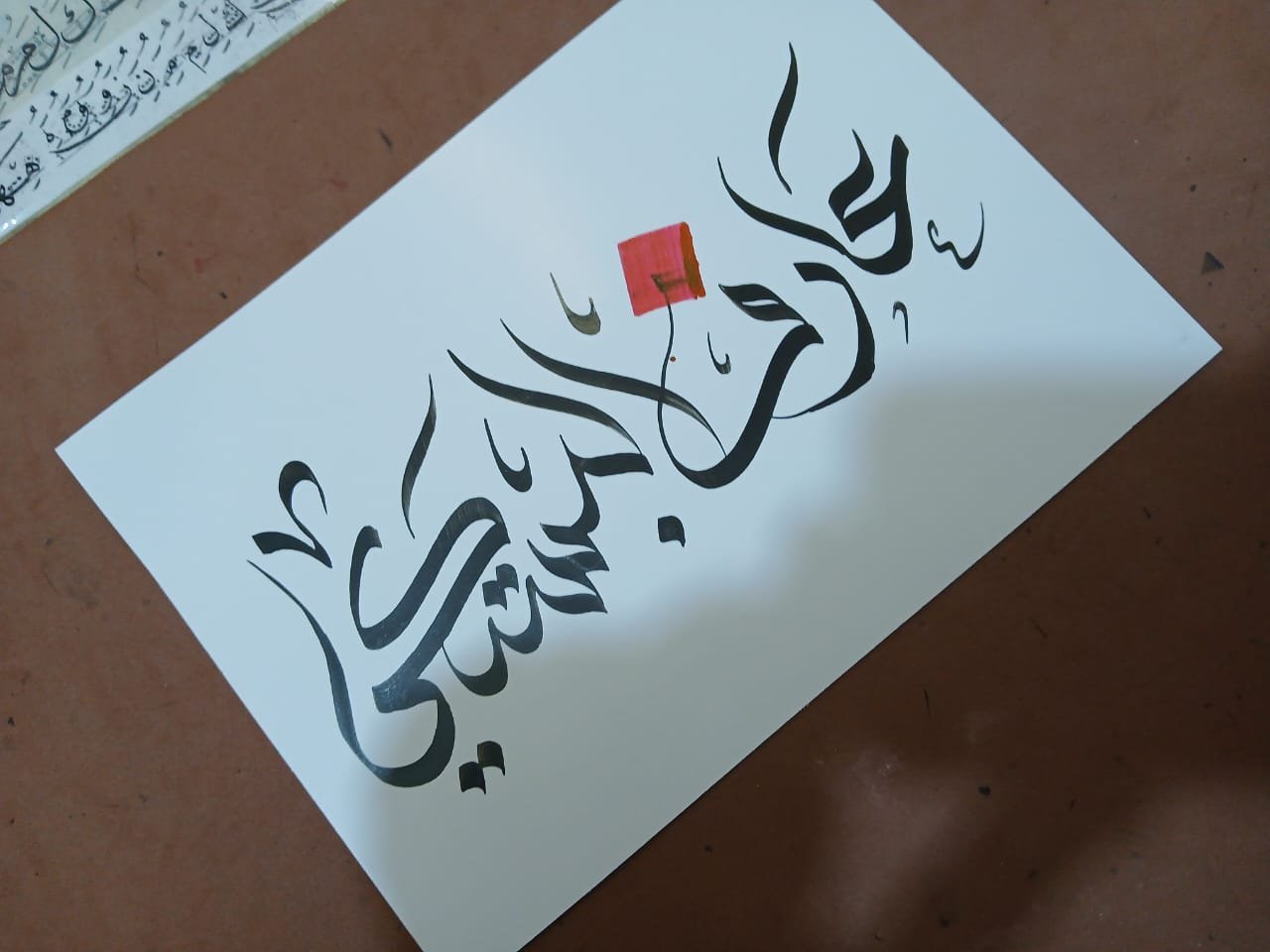
Arabic calligraphy is not limited to the past — it continues to evolve through the creativity of contemporary artists who blend tradition with modern expression. These calligraphers are redefining the art form, showcasing it in galleries, digital platforms, and public spaces around the world.
Abdulaziz El Najar: A Leading Contemporary Calligrapher
Among today’s Arabic calligraphy artists, Abdulaziz El Najar stands out as one of the most innovative figures. Known for his mastery of classical scripts and his ability to reinterpret them in modern contexts, El Najar bridges the gap between heritage and contemporary design. His artworks often combine traditional techniques with bold compositions, making them both visually striking and culturally significant. Many collectors and art enthusiasts consider him a reference point for modern Arabic calligraphy.
Artists Preserving Traditional Styles
Some contemporary calligraphers remain dedicated to preserving the authenticity of scripts such as Thuluth, Naskh, and Diwani. Their works emphasize precision, discipline, and respect for the historical rules of proportion.
Innovators Blending Modern and Classical Techniques
Other artists experiment with calligraphy by merging it with abstract art, digital design, and even graffiti. This approach makes Arabic calligraphy accessible to a younger global audience and allows it to be featured in fashion, branding, and interior design.
Global Recognition
From the Middle East to Europe and beyond, exhibitions highlight contemporary Arabic calligraphy as a universal art form. This growing appreciation underscores its relevance in both preserving identity and embracing creativity.
The Different Styles of Arabic Calligraphy Artists Use
Arabic calligraphy is admired for its variety of styles, each with its own beauty, rules, and cultural significance. Artists choose scripts based on the message, context, and artistic vision they want to convey.
Naskh, Diwani, and Thuluth
-
Naskh: One of the oldest and most widely used scripts, known for its clarity and readability. It is often used in books, manuscripts, and Qur’anic texts.
-
Diwani: Developed during the Ottoman Empire, Diwani is highly decorative and intricate, making it ideal for official documents and ornamental designs.
-
Thuluth: Distinguished by its large, elegant letters and sweeping curves, Thuluth is often used in architectural inscriptions, mosques, and artistic masterpieces.
Kufic and Its Geometric Elegance
-
Kufic is the earliest form of Arabic calligraphy, characterized by angular, geometric shapes and straight lines. It is frequently seen in ancient Qur’ans, coins, and architectural decorations. Its bold design makes it highly recognizable and timeless.
Modern Experimental Styles
-
Contemporary artists have expanded Arabic calligraphy beyond tradition by blending scripts with abstract art, digital graphics, and street art. These modern styles keep calligraphy relevant and appealing to global audiences, ensuring the art evolves with time.
The Role of Arabic Calligraphy in Today’s Art World
Arabic calligraphy has transformed from a sacred tradition into a global art form that continues to inspire creativity across cultures. Today, it plays a significant role not only in preserving heritage but also in shaping modern aesthetics.
Calligraphy in Fine Art Exhibitions
Arabic calligraphy is frequently showcased in international art galleries and biennales, where both traditional and contemporary works gain recognition. Artists like Abdulaziz El Najar and Hassan Massoudy bridge classical beauty with modern techniques, making calligraphy a centerpiece of global art discussions.
Calligraphy in Interior Design and Fashion
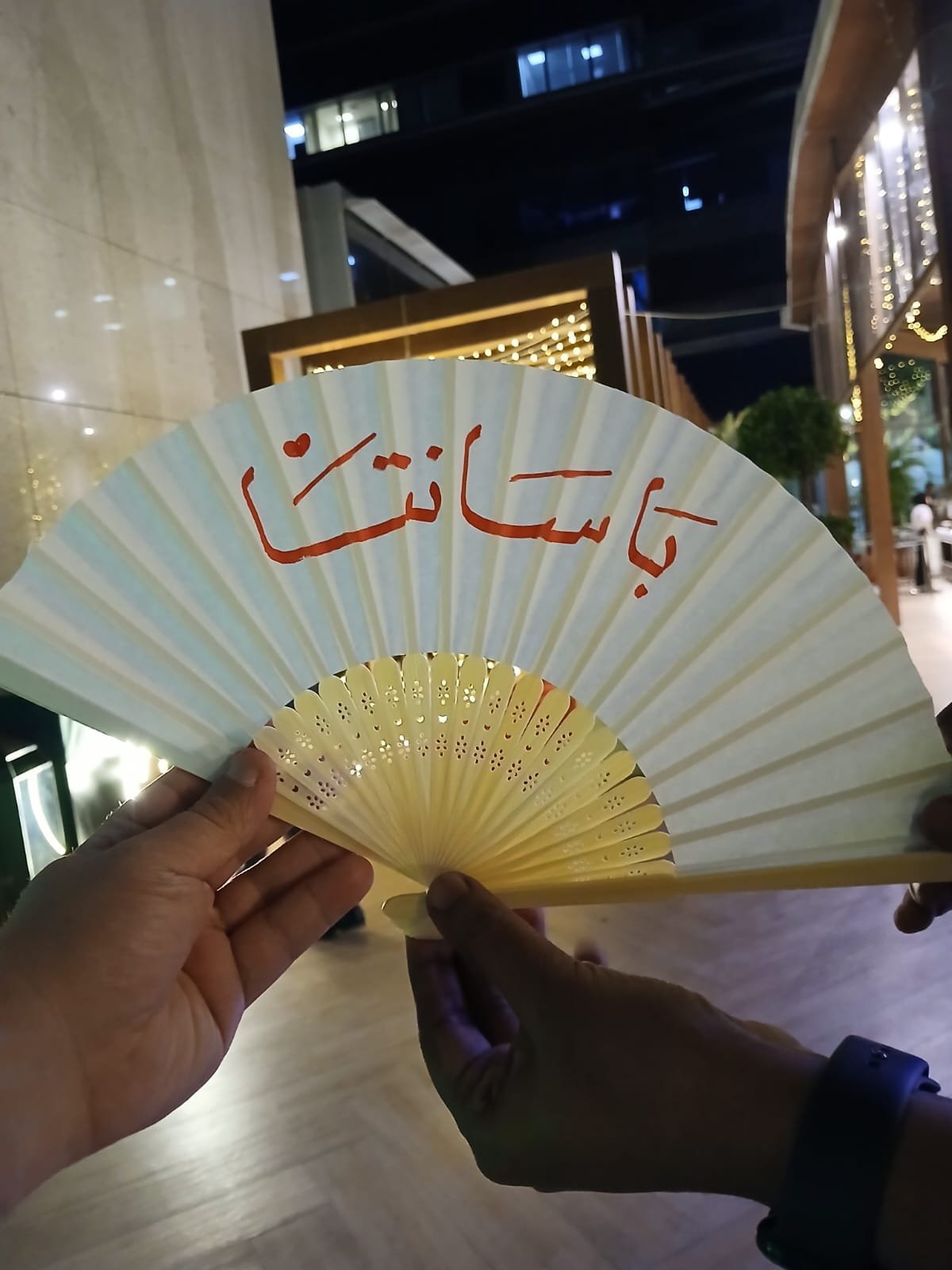
Luxury brands, architects, and interior designers often incorporate Arabic calligraphy into their creations. From engraved furniture and decorative wall art to high-end fashion pieces, calligraphy adds elegance, cultural depth, and uniqueness.
The Digital Evolution of Arabic Calligraphy
With the rise of digital media, calligraphy has expanded into new spaces such as branding, graphic design, and online content. Modern tools allow artists to merge calligraphy with animation, 3D modeling, and web design, making it accessible to a wider audience worldwide.
Arabic calligraphy today stands at the crossroads of tradition and innovation, proving that this timeless art form remains as relevant and powerful as ever.
How to Connect with Arabic Calligraphy Artists
Connecting with Arabic calligraphy artists allows you to experience the beauty of this art form firsthand, whether through personalized commissions, exhibitions, or online collaborations. Many artists today share their work on digital platforms, making it easier for collectors and enthusiasts to reach out directly.
Commissioning Personalized Artworks
One of the best ways to connect with calligraphy artists is by requesting custom pieces. From engraved gifts and logos to wall art and decorative panels, artists can adapt their styles to match your vision and needs.
Attending Exhibitions and Workshops
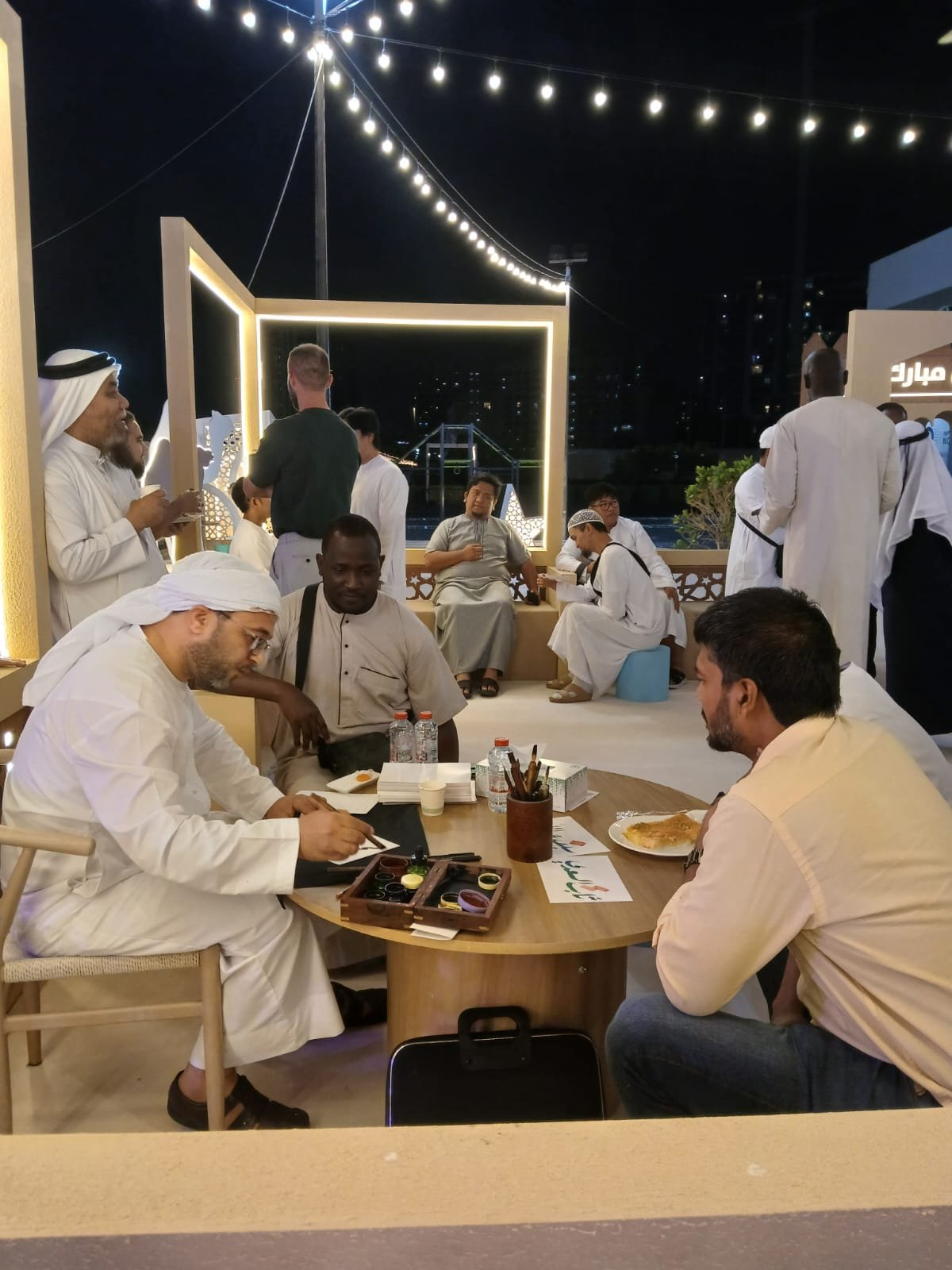
Arabic calligraphers often host workshops and participate in art exhibitions across the Middle East and internationally. These events provide opportunities to learn, interact, and even practice calligraphy under the guidance of masters.
Spotlight: Aziz (Abdulaziz El Najar)
If you’re looking for a top contemporary Arabic calligrapher, Aziz (Abdulaziz El Najar) is a leading name. Based in the UAE, Aziz is renowned for his elegant scripts, creative engravings, and collaborations with luxury brands like Dior, Gucci, and Cartier. He also specializes in engraving names on gifts, perfumes, and exclusive items, making his work highly sought after for both personal and corporate purposes.
You can connect with Aziz through his official website calligrapheraziz.com, where he shares his portfolio, services, and contact details for commissions.
dubai calligraphy
Dubai calligraphy is more than just an art form — it’s a cultural identity that reflects the spirit of the UAE. In Dubai, Arabic calligraphy is everywhere, from luxury brand collaborations to personalized gifts and exclusive art exhibitions. One of the most prominent names leading this scene is Aziz (Abdulaziz El Najar), a master calligraphy artist based in Dubai. Aziz is well-known for his elegant Arabic scripts, modern engravings, and custom designs on perfumes, gifts, and premium items. His work perfectly combines heritage and innovation, making him the go-to choice for anyone looking for authentic calligraphy in Dubai. If you want to experience the finest Dubai calligraphy, you can explore Aziz’s portfolio or book a custom artwork through his official website.
uae calligraphy
UAE calligraphy is a symbol of heritage, culture, and artistic excellence, making the Emirates one of the leading hubs for Arabic calligraphy worldwide. Across the UAE, calligraphy appears in mosques, museums, luxury brands, and personalized gifts, showcasing both tradition and modernity. At the heart of this movement is Aziz (Abdulaziz El Najar), a professional calligraphy artist based in the Emirates. Aziz has become a trusted name for his ability to engrave names on perfumes, design logos, and create custom artworks that combine classical Arabic scripts with modern design trends. Whether for art collectors, luxury events, or personal keepsakes, Aziz continues to shape the future of UAE calligraphy, making it accessible, elegant, and timeless.
Frequently Asked Questions (FAQ)
Q1: What is Dubai calligraphy known for?
Dubai calligraphy is known for blending traditional Arabic scripts with modern artistic trends. It is widely used in exhibitions, branding, luxury products, and personalized gifts.
Q2: Who is the best calligraphy artist in Dubai?
One of the most recognized names is Aziz (Abdulaziz El Najar), a professional calligrapher based in the UAE. He is famous for his custom engravings, luxury brand collaborations, and unique artistic style.
Q3: Where can I find UAE calligraphy services?
You can find UAE calligraphy services in art galleries, cultural festivals, and online platforms. For premium and personalized calligraphy, Aziz offers services through his official website, including name engraving, logo design, and custom artwork.
Q4: Can I order personalized calligraphy gifts in Dubai or the UAE?
Yes, many artists including Aziz provide custom engraving on perfumes, accessories, and luxury items. This makes calligraphy gifts one of the most unique and meaningful presents in the UAE.
Q5: Why is UAE calligraphy important in modern art?
UAE calligraphy plays a key role in connecting heritage with innovation. Artists like Aziz bring Arabic calligraphy into contemporary design, fashion, and branding, keeping the art form alive and relevant worldwide.
You can also read: